PI: Joseph M. Barnby
As a cognitive and computational scientist, I am interested in developing better theories of the brain and the behavioural basis of social interaction, and how these might be used to explain and treat psychiatric and neurological disorders.
My group develops computational models and empirical experiments to study complex cognitive processes within social [multi-agent] interaction.
I currently hold appointments as an AI+ Senior Fellow and Associate Professor at King’s College London, as well as a Strategic Senior Research Fellowship at the Centre for AI and Machine Learning. I am part of the FENS-Kavli Network of Excellence as a FENS-Kavli Scholar and the founder & PI at Hypatia – a focused research organisation creating tools to improve psychiatric treatment outcomes.

Core Team
-

Tanya Nyamhamba
Tanya holds an MSc in Neuroscience & Neuroimaging from King's College London, and a Master's in Clinical Audiology from the University of Western Australia. Tanya joins the SoCR Lab and Hypatia team as a Research Manager with a background in digital health and informatics, supporting the clinical translation of interpretable, behaviourally derived models of cognition to personalise psychiatric treatment and accelerate drug discovery.
-

Gavin Cooper
Gavin Cooper is a Postdoctoral Fellow (Wellcome Trust) within the SoCR Lab. His primary project involves developing an accessible web interface to help researchers apply gold-standard cognitive modelling techniques to answer their research questions. His previous work included developing models of consumer choice behaviour as part of his PhD at the University of Newcastle, Australia. His research interests include developing novel models of cognition and creating tools to help improve access to cognitive modelling techniques. Outside of work, Gavin is an avid reader, contributes to open-source software and enjoys hikes and being a father.
-

Sepehr Razavi
Sepehr Razavi is a DPhil student and RA within the SoCR Lab at King’s College London and the University of Oxford. His previous studies include an MSc in Cognitive Science at the University of Edinburgh and a BA and MA in philosophy at the Université de Montréal. For his doctoral work with the Social Computations and Representations Lab, he is working on biologically plausible computational models of thought insertion and paranoia. His theoretical interests include the status of computational models, social cognition, and foundational issues in cognitive science. His hobbies include reading incomprehensible books, Sunday football, and playing the saxophone.
-
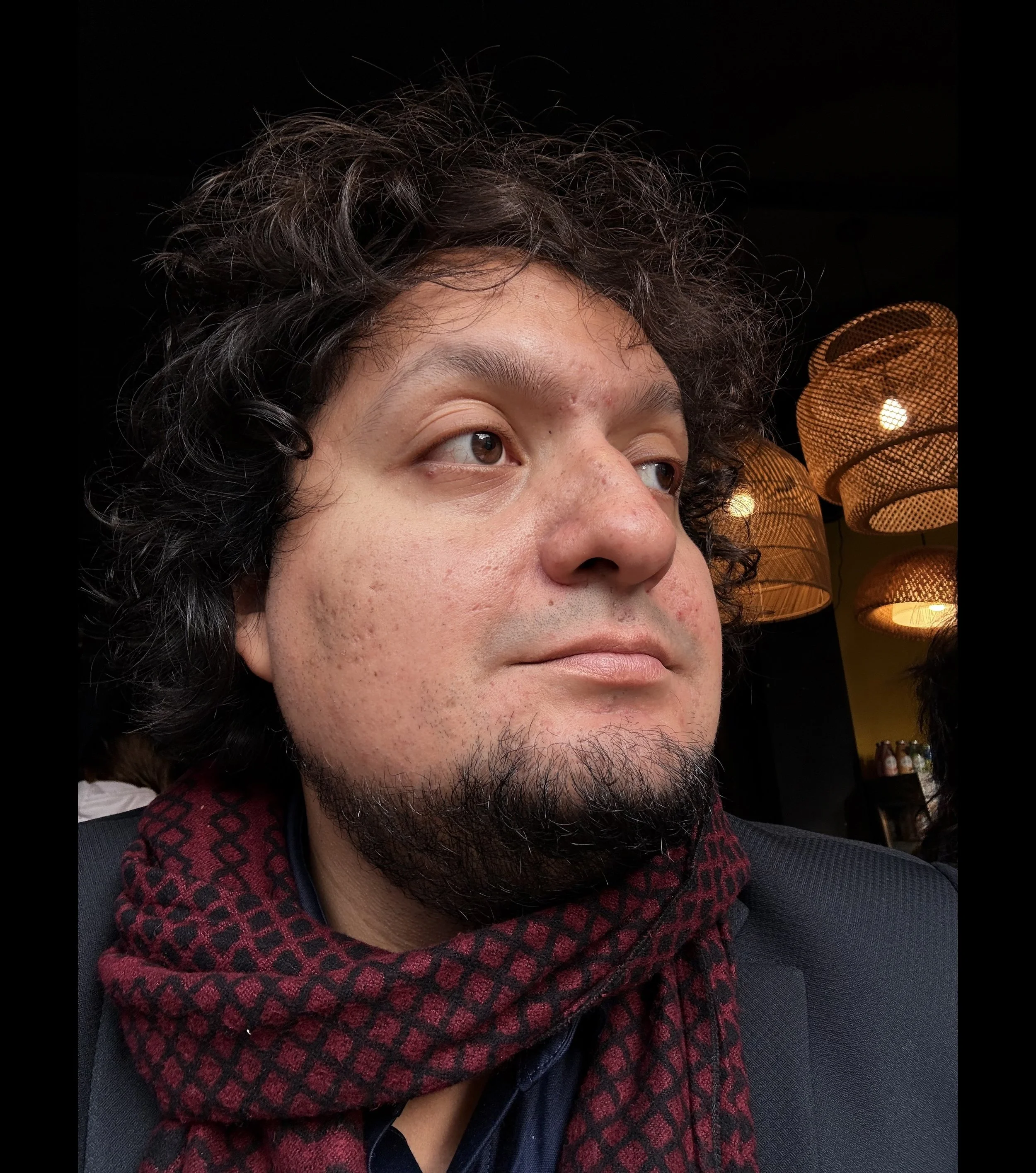
Andrés Miniguano-Trujillo
Andrés Miniguano–Trujillo brings a background in Applied Mathematics to his post as a Research Associate at King’s College London. At the SoCRLab, he develops modelling and computational tools to understand decision-making and social inference, drawing on experience in variational imaging, parameter learning for optimal control of dynamical systems, and combinatorial optimisation. He earned a PhD in mathematical modelling, analysis, and computation at the University of Edinburgh and Heriot-Watt University. His research interests lie at the intersection of applied optimal control of differential systems, numerical analysis of nonlocal systems, and combinatorial optimisation of complex systems. Away from proofs and plots, Andrés rides his bike around London, bakes different kinds of bread, enjoys reading on decolonising spaces, and does some occasional photography.
Affiliate Team
-
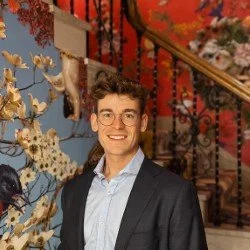
Henry Burgess
Henry Burgess is a Software Engineer II in the Department of Neuroscience at WashU. His previous studies include a BEng (Honours) in Software Engineering at the University of Queensland and he is undertaking a Master of Engineering Management at WashU. His work in the Brain Development and Disorders Lab under Prof Linda Richards includes implementing novel human behavioral tasks using web-based and virtual reality technologies. His hobbies include fishing, wilderness hiking, and coffee shop pastries.
-
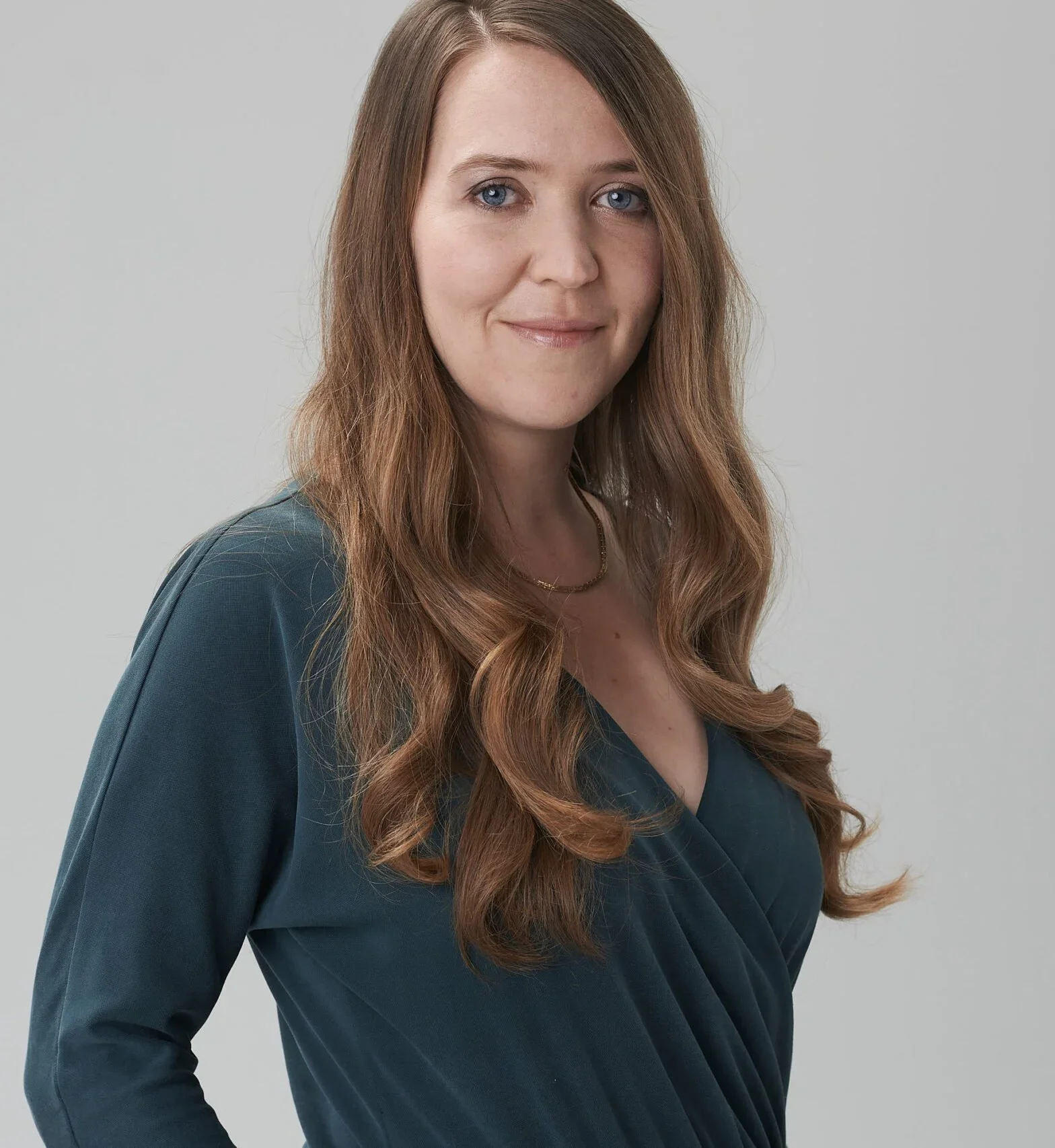
Katharina Wellstein
Katharina is an experimental Research Associate at King’s College London and part of the NEPTUNE project. Her work in paranoia, social cognition, and computational modelling aims to improve our causal theoretical knowledge of when and why paranoia onsets and dissipates.
Academic Funders
-
![]()
Wellcome Trust
-
![]()
British Academy
-
![FENS-Kavli]()
FENS-Kavli
-
![Graph theoretic logo stating 'Centre for AI and Machine LEarning']()
Centre for AI & Machine Learning


Academic Partners
-
![]()
Washington University in St Louis
-
![]()
Max Planck Institute for Biological Cybernetics
-
![]()
Jacobs Centre
-
![]()
King’s College London
-
![]()
University of Oxford
-
![]()
University College London
-
![]()
University of Zurich
-
![]()
Queen Mary University
-
![]()
University of Birmingham
-
![]()
University of York
-
![]()
Cardiff University
-
![]()
University of Western Australia
-
![]()
University of Queensland
-
![]()
Vanderbilt University
-
![]()
Corpal
-
![]()
AusDOCC